Pet Eye Care
Your pet's eyes play an important role in their overall health and quality of life. Changes in eye appearance, vision, or comfort can sometimes indicate an underlying health concern that requires veterinary attention.
Our Madison veterinary team can evaluate a wide range of eye conditions and help diagnose and manage issues affecting your pet's eyes and vision, including cataracts, infections, tumors, glaucoma, dry eye, uveitis, corneal ulcers, and more.
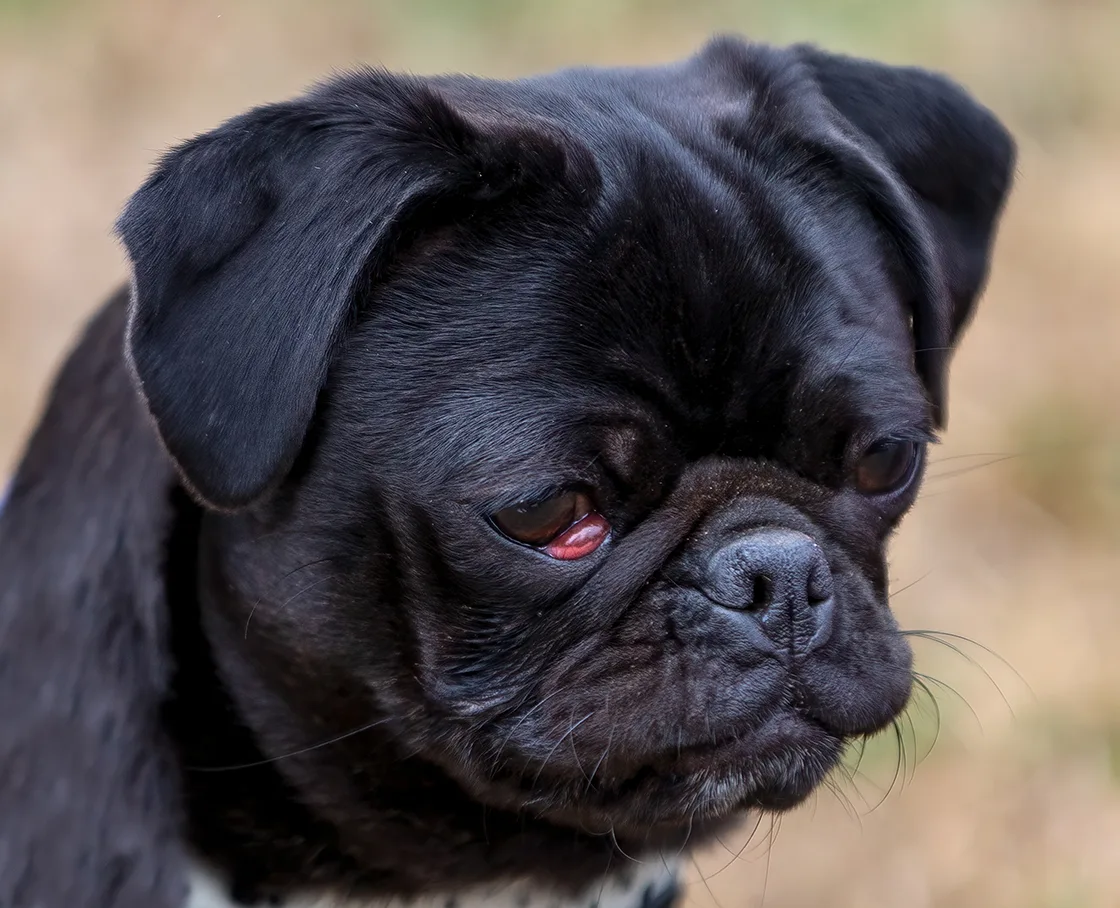
Common Eye Conditions in Pets
Pets can experience a variety of eye-related conditions, including:
Eye infections
Conjunctivitis (pink eye)
Eye irritation
Allergies affecting the eyes
Corneal ulcers
Dry eye
Excessive tearing
Eyelid abnormalities
Third eyelid or nictitans gland prolapse (cherry eye)
Cataracts
Age-related vision changes
Eye injuries

Signs of Eye Problems in Pets
Schedule a veterinary examination if your pet is experiencing:
Red or inflamed eyes
Squinting or excessive blinking
Eye discharge
Excessive tearing
Cloudiness of the eye
Swelling around the eye
Pawing at the face or eyes
Sensitivity to light
Visible changes in eye appearance
Vision changes or difficulty navigating
Because eye conditions can worsen quickly, prompt evaluation is often recommended.
Eye Examinations & Diagnosis
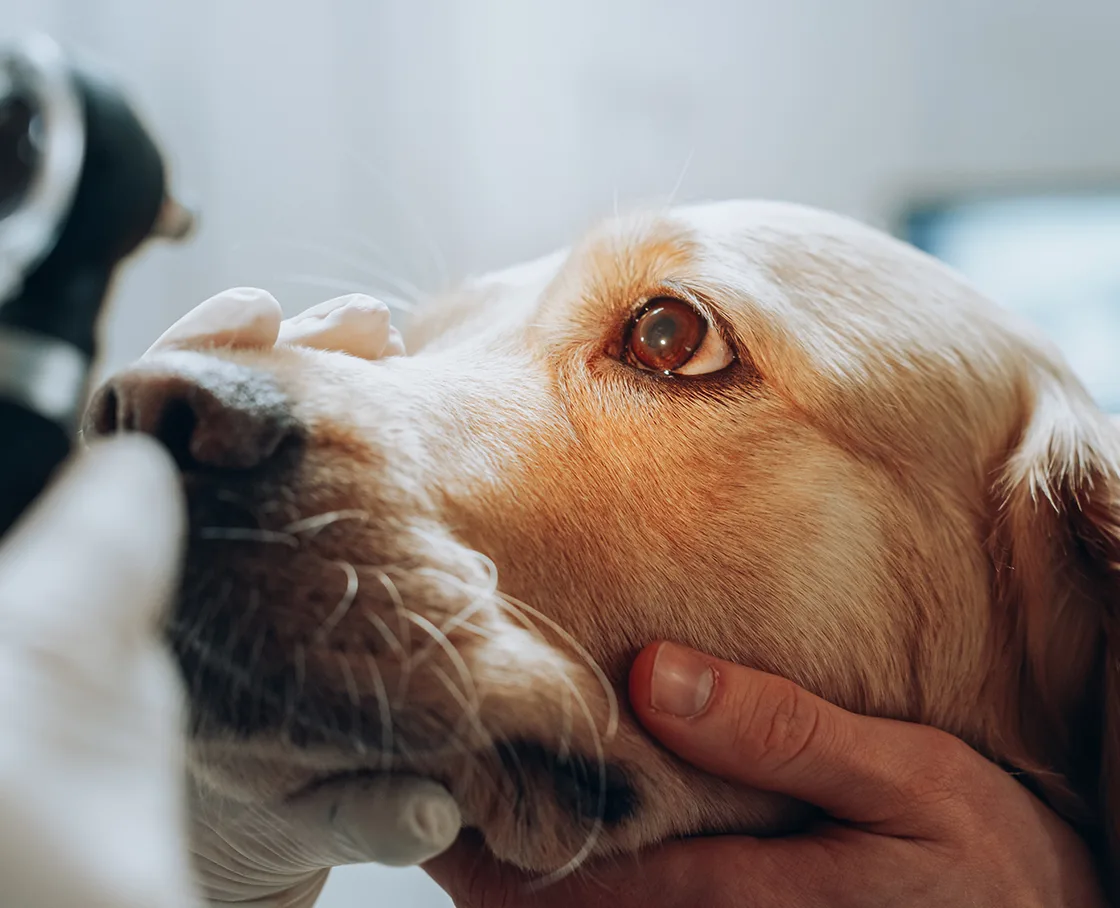
A comprehensive eye examination can help determine the cause of your pet's symptoms.
Depending on your pet's condition, your veterinarian may recommend:
Physical and eye examinations
Tear production testing
Eye stain testing
Eye pressure measurements
Evaluation of eyelids and surrounding structures
Diagnostic testing to identify underlying causes
These evaluations help guide treatment recommendations and ongoing care.
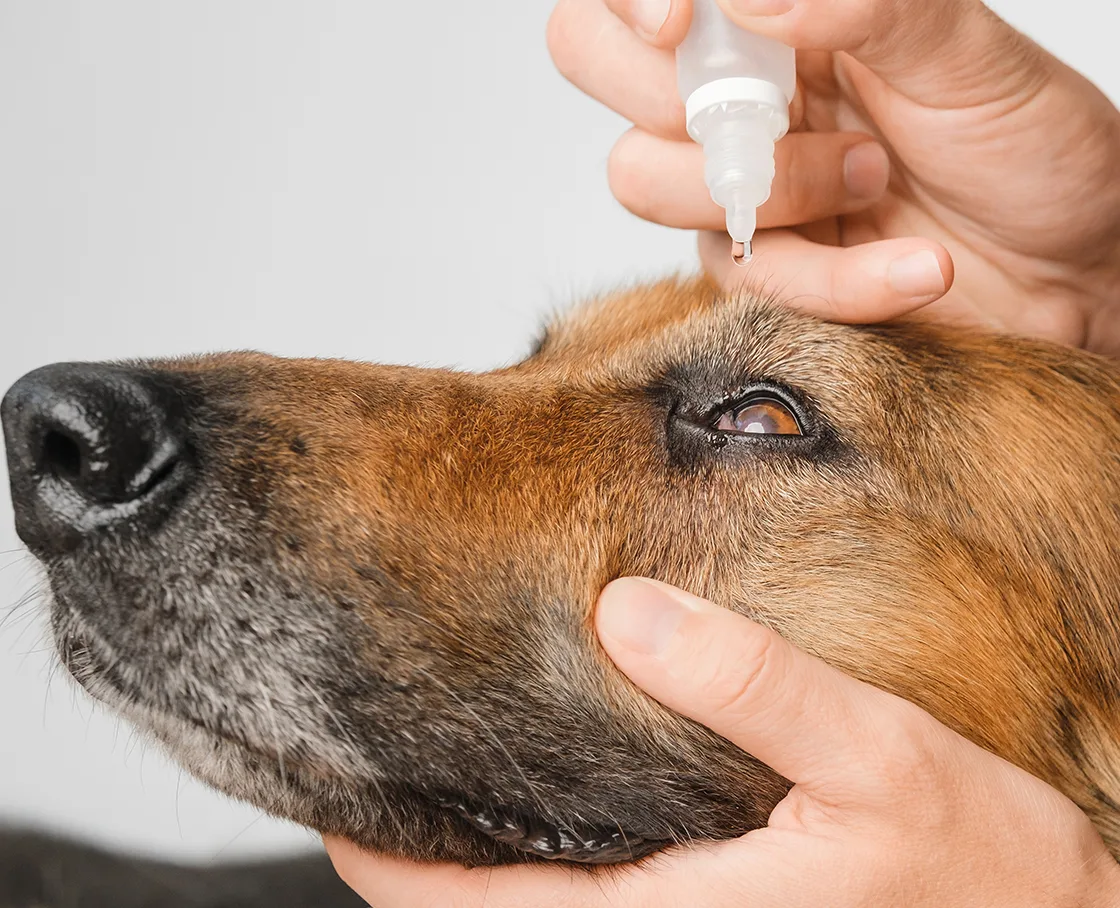
Treatment & Management
Treatment options depend on the underlying cause of the eye condition and may include:
Prescription eye medications
Oral medications
Eye lubrication products
Allergy management
Treatment of underlying health conditions
Follow-up examinations to monitor healing
Your veterinarian will develop a treatment plan tailored to your pet's needs.
Protecting Your Pet's Eye Health
Regular veterinary examinations can help identify eye concerns early and support long-term eye health.
Pet owners should monitor for:
Changes in eye appearance
Signs of discomfort
Vision changes
Persistent tearing or discharge
New or worsening symptoms
Early intervention can often improve outcomes and help preserve your pet's comfort and vision.
Frequently Asked Questions
When should I be concerned about my pet's eye problem?
Any sudden change in your pet's eyes, vision, or comfort should be evaluated by a veterinarian, especially if there is redness, squinting, swelling, or discharge.
Why is my pet's eye red?
Redness can be caused by irritation, infection, allergies, injury, inflammation, or other eye conditions. A veterinary examination can help determine the cause.
Is eye discharge normal?
A small amount of discharge may be normal for some pets, but excessive, persistent, or colored discharge should be evaluated.
Can pets lose their vision as they age?
Some vision changes can occur with age, while others may be related to underlying eye conditions or health issues. Regular examinations can help monitor eye health.
Are eye problems considered emergencies?
Certain eye conditions can become serious quickly. If your pet is squinting, appears painful, has suffered an eye injury, or experiences sudden vision changes, contact your veterinarian as soon as possible.
How can I help keep my pet's eyes healthy?
Routine veterinary care, monitoring for changes, and seeking prompt evaluation for eye concerns can help support your pet's eye health throughout their life.
Book an Appointment at Best Friends Animal Hospital
New pets are always welcome at Best Friends Animal Hospital. Our friendly veterinary staff looks forward to providing our neighbors in the area and surrounding communities with the veterinary care they need.